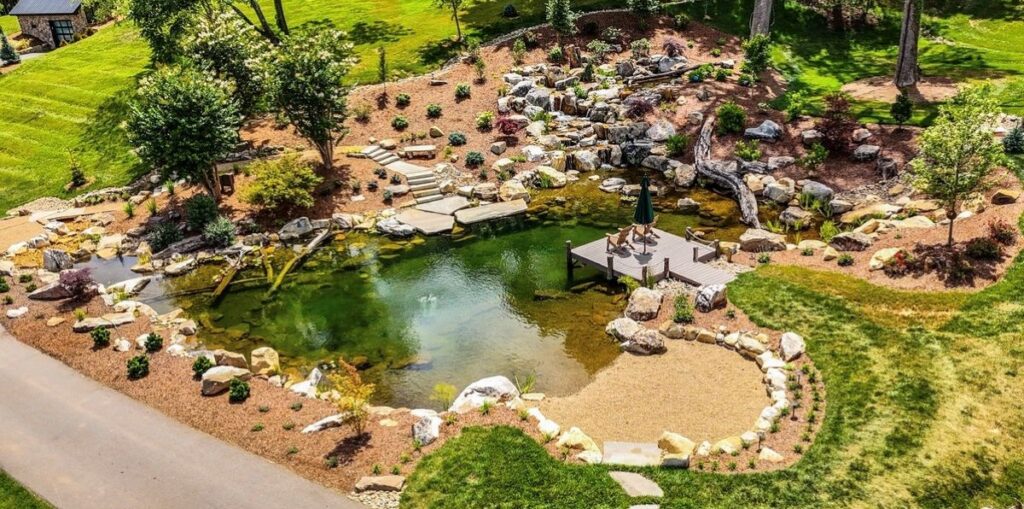
Picture this: a small backyard centered around a beautiful koi pond where colorful, charismatic fish attract the eye like a framed painting come to life. The space is wrapped in undulating garden beds detailed with mountain stones, soft moss, ferns and blooming azaleas. Resting on pedestals throughout the landscape are tiny trees — bonsai — that express a grace and ancient age far greater than the garden or home itself. This subtle yet impactful addition of bonsai trees brings an elegance to the space and contrasts the power and motion of the koi pond with the statuesque living beauty and calmness of the trees.

What Is Bonsai?
Bonsai, meaning “tree planted in a small container” in the original Japanese, is a global art practice shaped by regional and cultural influences, yet unified by a single purpose: cultivating trees that convey profound age, character and natural beauty while growing in small vessels. These miniature trees represent nature in its distilled form, influenced both by the inherent qualities of the species and the artistic vision of the person who shapes and maintains them. Hundreds of tree and shrub species can be used for bonsai, and the vessels they are planted in — ceramic pots, carved stones or hollowed wood — are often as expressive and unique as the trees themselves.
Bonsai & Koi: The Perfect Complement

For those who already keep koi and water gardens, bonsai is the perfect complement. Anyone who has traveled to Japan and visited a traditional Japanese garden immediately sees how these two pursuits grow from the same cultural and aesthetic vein. Both koi and bonsai are often described as living art, and that connection becomes unmistakable when you consider the effort, time and devotion poured into creating and maintaining these living jewels.
Just as buying a 1-year-old koi requires many years of dedicated rearing before it reaches its full potential, bonsai is a pursuit that is never truly finished. Both practices evolve slowly and reward consistent care.
Success with koi and success with bonsai are directly correlated to the energy, patience and time invested. They are long-term hobbies — lifelong in many cases — that hold the keeper actively engaged through daily tasks, seasonal cycles and a vision for a bright future.
Together, they cultivate not just a garden, but a meaningful and enduring relationship with living things — a space that can inspire the mind and soothe the soul.
How Bonsai Can Impact a Pond Company
As a pond business, some knowledge and incorporation of bonsai and Japanese gardens can elevate your business and set you apart from typical landscapers and pond installers. Additional sales and room for upgrades is a business model that can be fruitful year after year. Bonsai, just as koi, is a hobby that is addictive, and upscaling collections, both in quality and infrastructure, is common.
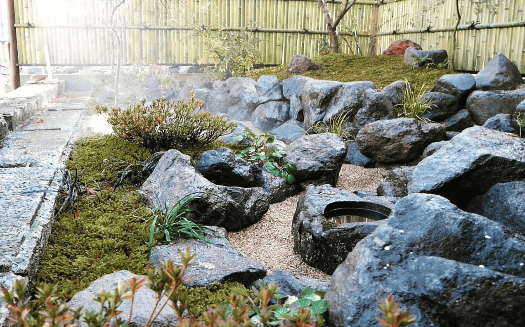
We view an installation of a pond or garden as just the beginning of a long and rewarding relationship, both for the client and the business. We have found that many clients who are interested in koi ponds, or who are already koi keepers, are very excited about bringing in additional elements of Japanese garden culture. Installing these elements — such as landscaping boulders, Japanese-inspired plantings, hand-washing basins (read up on “tsukubai”), bonsai and pedestals (monkey poles or stones) — are easy one-day projects most pond companies already have the skill and equipment to handle.
These specialized projects are in demand, fun to install and can be very profitable. Often these projects are revolving, with the client consistently looking toward the next upgrade or next tree to acquire for their collection. This leaves much room for repeat, high-margin business that is a lower time commitment than traditional pond installs. These installs can be a good additional source of revenue for an already existing pond business and a way to pad out a schedule with small, easy-to-handle projects.
Hurdles of Bonsai
Bonsai is unique because it is highly accessible, and almost anyone can begin the hobby. Yet mastering it at a high level requires years of dedicated practice. Developing the skills to shape beautiful trees and manage the horticultural demands of plant care takes time and experience.
This is why entering bonsai as a business can be challenging without the right team or a solid foundation of expertise.
Being prepared for plant care issues and supporting hobbyists with questions and task management regarding continual bonsai care can make or break the experience for a client.
Losing a valuable tree due to an unknown disease or having a bonsai grow out of shape and turn into a bush are common problems with new bonsai keepers. These issues are bonsai-specific and, without an expert in the field, can be hard to understand and manage.
Partnerships Form Success

Though bonsai is an incredibly rewarding hobby, it is very difficult to learn alone. For a business without a dedicated and experienced bonsai professional, the challenges that arise from bonsai care can become frustrating and expensive. Forming partnerships allows a business to incorporate bonsai without sacrificing its core focus.
Bonsai professionals are an excellent resource for workshops and one-on-one sessions. Across the country, there is a network of highly skilled bonsai experts — many of whom have studied in Japan — who travel to maintain client trees and teach essential skills. For a pond company, bringing in a bonsai professional for a workshop or demonstration gives clients the opportunity to ask questions and build knowledge under the guidance of an industry expert. This supports clients with complementary needs while allowing the pond company to stay focused on pond and garden design, and it opens the door to expanding construction services with bonsai-specific features and additional upsell opportunities.
Many metropolitan areas are in close proximity to regional bonsai clubs. These clubs are a great resource for connecting with other hobbyists and learning from those with more experience. As a business, offering to host meetings or supporting your local club in other ways can introduce you to both prospective and existing clients. Clubs can help guide customers through the horticulture and artistry of bonsai while you support the community around the hobby. Most bonsai clients are either already pond enthusiasts or considering becoming one, leaving opportunity for future multifaceted business.
Selling Bonsai Goods
For companies already selling and growing aquatic plants, or pond retail stores, bonsai and bonsai supplies can be a valuable product line. Selling bonsai pots, soils, bonsai tools and even bonsai trees can be profitable products not readily available for most local buyers. This can bring in new clientele that often will purchase existing pond products and aquatic plants.
The Perfect Tree for Your Pond

A favorite North American species for bonsai is one perfectly suited to live in a koi pond: the bald cypress, (Taxodium distichum). This tree is the ideal first-time tree for a pond enthusiast looking to test the waters of bonsai. Bald cypress are also incredibly easy to care for, both in a garden and commercially. This aquatic species can live with its rootball totally submerged in water just as any emergent aquatic plant, allowing for effortless watering. They can handle frequent root and branch pruning, thrive in small container sizes and grow with all the vigor of a typical aquatic plant.
In aquatic environments, they put up aerial roots called “knees” and grow into beautiful forms. Kept in a container in a pond and pulled yearly for maintenance, they are the perfect pond bonsai.
We like to keep a stash of these wonderful trees for placing in completed pond builds. With a small bit of instruction, we can train the pond keeper in basic care and pruning. This style of care compacts the tree, effectively making the beginnings of bonsai in a koi pond. These trees are so charming and engaging, this one act can often lead a pond enthusiast to the new hobby of bonsai.
Give Bonsai a Try
Bonsai and koi ponds are meant to be together. Both are living and aesthetic pursuits that lead to the same goal — creating a space surrounded by the joys of nature while bringing the human aspect of art to an outdoor space. Incorporation of bonsai and Japanese garden design can broaden the scope of existing projects and bring new clients who value both ponds and the deep artistic traditions that enhance them.
About the Author: Cooper Sallade founded Aqua Fauna Ponds, a fullservice construction and maintenance company specializing in water features, which then merged with Fin and Feather – The Water Garden Center, a pond specific retail store. Today, his business encompasses custom water feature construction, pond maintenance, retail sales, and koi sourcing trips to Japan.