If you’ve been building ponds for a while, you’ve probably noticed something. The projects customers are asking for today are not the same projects they wanted five or 10 years ago.
It’s no longer just about digging a hole, installing a liner, adding a pump and stacking a few rocks to create a waterfall. That approach used to satisfy most homeowners. It checked the box. It gave them water, movement and something nice to look at.
Today’s homeowner is looking for more than a feature. They’re looking for an experience.
Clients are more design-aware, more eco-conscious and more informed than ever before. Thanks to social media, they’ve seen what’s possible. They’ve seen natural swimming ponds that look like they belong in a mountain resort. They’ve seen hybrid water features integrated into outdoor kitchens, patios and complete backyard environments. They’ve seen projects that feel less like installations and more like destinations.
Whether builders like it or not, the bar has been raised.
For contractors, this shift presents both a challenge and a significant opportunity. Builders who continue approaching projects the same way they always have will eventually feel it in their leads, pricing power and overall relevance in the market. Builders adapting through design-forward thinking, advanced filtration strategy and hardscape integration are positioning themselves at the top of their markets.
A New Standard in Client Expectations
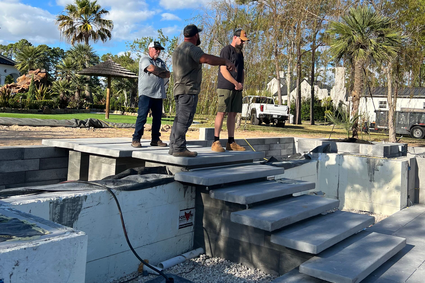
Homeowners today are more informed than ever before. With constant exposure to high-end outdoor living projects online, expectations have evolved quickly.
Clients are no longer comparing your work to the contractor down the street. They’re comparing it to the best project they’ve seen anywhere.
Modern water features are now expected to deliver on multiple levels:
- Seamless integration with the surrounding landscape
- Long-term water clarity and system performance
- Ease of maintenance
- Functional outdoor use
- Entertainment value
- A cohesive connection to the entire property
This shift has elevated the role of the contractor from installer to designer.
Builders must now think beyond the pond itself and evaluate how water interacts with surrounding structures, traffic flow, seating areas, patios and elevation changes throughout the environment.
Practical Tip: Before beginning the design process, walk the property with the homeowner and discuss how they plan to use the space five years from now, not just today. Designing around future entertaining, family use and lifestyle goals often leads to larger, more cohesive projects.
Design as the Defining Skill
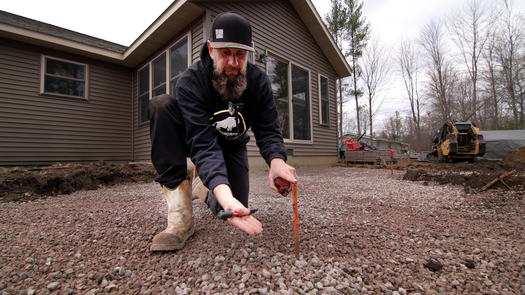
As products, materials and installation methods become increasingly standardized, design has emerged as one of the industry’s biggest differentiators.
Two contractors can use the exact same liner, pumps, stone and filtration systems and still produce completely different results. The difference is design intention.
Design influences:
- How water sounds
- How transitions feel
- How elevation changes are experienced
- How the project flows visually
- How the feature connects to the surrounding outdoor environment
The goal is no longer simply to “build a pond.” The goal is to create an outdoor environment that feels intentional and natural to the property.
Current design trends continue moving toward:
- Naturalistic layouts with fewer harsh transitions
- Cohesive hardscape integration
- Intentional water movement and sound
- Multi-use outdoor living spaces
- Cleaner and more refined detail work
Practical Tip: One of the easiest ways to improve design quality is to study projects outside your local market. Analyze why certain layouts feel cohesive, how elevations are managed and how materials transition from one outdoor area to the next.
The Expanding Role of Hardscape Integration
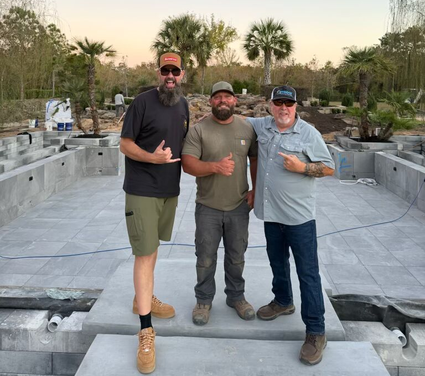
One of the biggest shifts happening in the water feature industry is the growing integration between ponds and full-scale outdoor living design.
Water features are no longer standalone backyard projects tucked into a corner of the property. Today, they are increasingly becoming the centerpiece of complete outdoor environments that include patios, retaining walls, fire features, outdoor kitchens, lighting, seating areas and entertainment spaces.
This is where understanding hardscape design becomes crucial for modern pond builders.
Contractors who only understand pond construction often struggle when projects begin expanding beyond the water itself. However, builders who understand hardscape principles are able to think holistically about how the entire outdoor environment functions together.
That changes everything.
The Benefits of Expanding Your Hardscape Knowledge
Hardscape knowledge allows contractors to:
- Create seamless transitions between water and living spaces
- Maintain proper elevations and grading throughout the project
- Improve traffic flow and usability
- Integrate retaining walls, patios and gathering areas naturally
- Eliminate disconnected “add-on” design elements
- Increase overall project scope and profitability
The pond itself becomes part of a larger outdoor experience rather than an isolated feature.
This is one of the biggest differentiators separating high-end outdoor living designers from basic pond installers.
The most successful projects today are designed as unified systems. The patio should feel connected to the waterfall. The seating area should interact naturally with the pond. Elevation changes should guide movement through the landscape. Lighting, stone selection and water movement should all work together cohesively.
When hardscape integration is overlooked, even a well-built pond can feel disconnected from the surrounding property.
When it is done correctly, the entire outdoor space feels intentional.
Practical Tip: When designing a pond within a larger outdoor living project, start viewing the pond as the anchor of the entire environment, not the final addition. Establish the hardscape layout and finished elevations early in the design phase before finalizing waterfall placement, coping elevations or patio transitions. Thinking holistically from the beginning often leads to stronger layouts, better traffic flow, fewer drainage and grading issues, larger project opportunities and a more cohesive client experience.
Identifying the Gaps
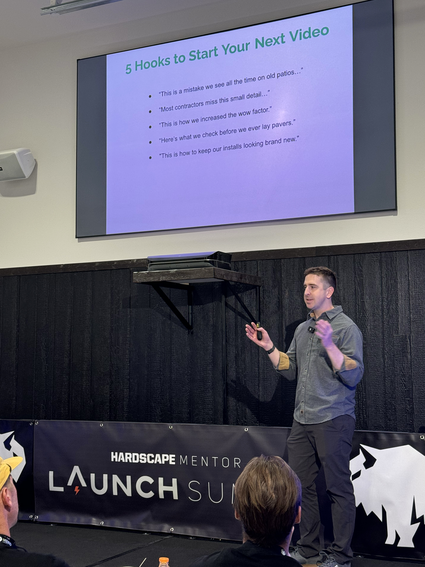
Despite the direction the industry is moving, many contractors still rely on methods that no longer align with modern client expectations.
Common challenges include:
- Outdated design approaches
- Difficulty presenting full project visions
- Limited understanding of advanced filtration systems
- Hesitation to pursue larger or more complex projects
- Lack of confidence in hardscape integration
Most of these limitations are not caused by a lack of effort. More often, they come from limited exposure to advanced projects, evolving design trends and structured education opportunities.
The traditional “learn as you go” approach still has value, but today’s industry is evolving too quickly to rely on experience alone.
Practical Tip: Document every project thoroughly with photos and videos during construction, not just after completion. Reviewing past projects often reveals recurring design, grading or installation issues that can be corrected on future builds.
Education as a Strategic Investment
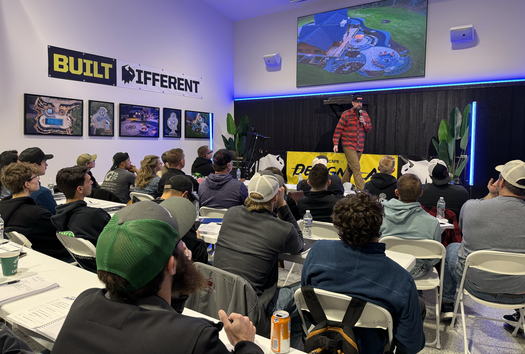
As the industry evolves, education continues becoming one of the most valuable investments a contractor can make.
Builders who actively pursue training, mentorship and hands-on learning opportunities are seeing measurable improvements in:
- Craftsmanship
- Confidence
- Pricing ability
- Lead quality
- Overall project execution
The return on investment goes far beyond technical knowledge. Education gives contractors confidence and a clearer understanding of how to approach larger, more advanced projects successfully.
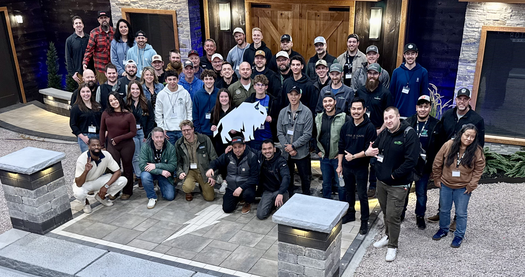
Practical Tip: Attend at least one hands-on training event or industry workshop each year outside your comfort zone. Exposure to new installation methods, design concepts and business strategies often creates breakthroughs that directly impact project quality and profitability.
Looking Ahead
The direction of the water feature industry is becoming increasingly clear.
Projects are growing:
- Larger in scale
- More integrated
- More design-focused
- More performance-driven
- More experience-oriented
At the same time, homeowners are becoming more selective. Clients want contractors who can communicate vision, demonstrate expertise and deliver a cohesive outdoor environment.
Pond building is no longer just about moving dirt and placing rock. It’s about understanding systems, design and how every element works together to create something larger than the sum of its parts.
Builders who embrace this shift and continue refining their approach to design, construction and integration are positioning themselves for long-term success.
They’re not just building water features anymore.
They’re designing outdoor experiences.
About the Author
Daniel Preston is a hardscape industry veteran with more than 26 years of experience designing and building exceptional outdoor living spaces. Known for his innovative “Sickbrick” projects and commitment to craftsmanship, Dan has become a respected leader and educator within the hardscape community. He is the co-founder of Hardscape Mentor, an educational platform created alongside Luke Parmeter to help contractors develop their skills, solve real-world challenges and grow their businesses through professional training and mentorship.