


We all know that stress is a part of everyday life, and you probably have your own methods of coping with it. Although you may not realize it, koi experience trauma related to stress as well. Because of their size, koi appear to be very hardy fish, and they are — as long as their […]

Utsurimono is a class of koi that, by definition, is a non-metallic black color combined with a secondary color. It is one of the classifications considered for judging purposes. Shiro Utsuri koi is the most common type in this class, and it is held in very high regard. At some koi shows in the United […]
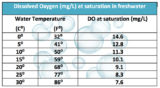
Fish need oxygen! Adequate amounts of dissolved oxygen are crucial for all pond and fish life. Unfortunately, oxygen is one of the most overlooked parameters of water quality in the retail setting, as well as in koi ponds. Low dissolved oxygen (DO) is an underestimated cause of many fish losses. As a koi seller, it […]

The pond build is complete! Water parameters are in check, and oxygen levels are adequate. Congratulations — you’ve created the ideal pond environment for your customer. The next step is to introduce koi into the pond because, after all, koi are the highlight of the water garden experience. They really are living jewels. Just like […]
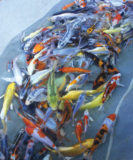
How many times have your pond customers asked for your help to select koi to purchase? What is the best way to help customers select koi fish to buy? There is no right or wrong way for customers to pick or select koi that they’d like to buy. Everyone has an opinion and personal taste […]

In this article, you will learn about identifying the ever-popular Kohaku patterns. Both body and head patterns will be discussed. Armed with this knowledge, you can help your aquatic customers discern between the different patterns and select a fish that they desire to purchase. Kohaku is one of the most popular varieties of koi. Often […]

>> Feature Article | Language of Koi: Understanding Kohaku Patterns (1) The Tancho pattern refers to a single hi spot that is exclusive to the head. No other hi plates are present on these koi. The lone hi patch should be circular and symmetrical and sit on the center of the koi’s head. Ideally, it […]
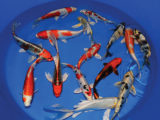
In the previous installment of Language of Koi, we learned how to distinguish between metallic and non-metallic skin on koi, as well as how to identify the characteristic known as luster. We also explored the single-colored, metallic-skinned koi in the Hikari Muji class. Now we will study the other two Hikari classes of koi, Hikari […]

I’ve heard from some koi retailers that the shiny koi, or Hikari varieties, are usually the first to sell from their fish retail tanks. The shimmering beauty of all Hikari koi, whether single or multicolored, is eye-catching and very much admired by their customers. It’s the shiny metallic skin and flashy pectoral fins that make […]
So, you have a black and white koi and you’re not sure if it is a Shiro Bekko or Shiro Utsuri. There are many similarities between the two varieties…as well as distinct differences. Some characteristics are easy to recognize. The subtle differences will become familiar with practice. Both varieties have only two colors: black and […]
- « Previous
- 1
- 2
- 3
- Next »