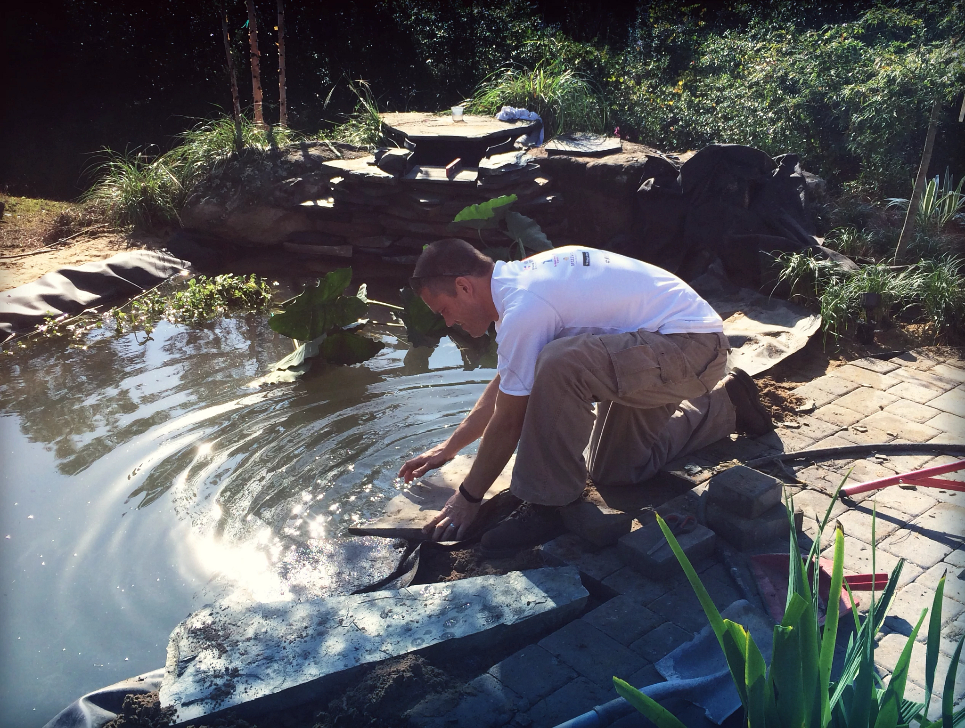
Water features elevate outdoor spaces, but the pump behind the scenes determines whether that feature thrives or fails. For contractors, selecting the right pump for your client’s needs is critical for performance, efficiency, reliability and—most importantly—customer satisfaction. This guide explores key factors to consider when choosing pumps for ponds and water features.

Understand the Application
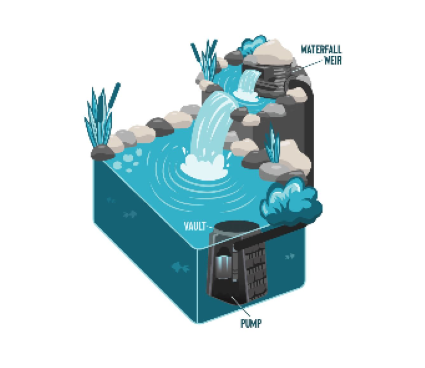
Before sizing or specifying a pump, identify its primary function. Is it maintaining water quality, supporting filtration or powering a dramatic display? Each purpose influences pump requirements. Circulation and aeration keep water moving and oxygenated, maintaining a healthy ecosystem and minimizing algae growth. Filtration support ensures proper flow for skimmers, UV clarifiers and biological filters, thereby maintaining clean and clear water. For aesthetic appeal, pumps may power waterfalls, streams or decorative fountains.
If your water feature uses chemicals for water treatment, such as algaecides, chlorine or other sanitizers, ensure that you select a pump with materials and seals that are compatible with these chemicals. This helps prevent premature wear and ensures reliable long-term operation. Always check manufacturer guidelines for chemical compatibility and warranty coverage. Identifying and understanding the application is fundamental to selecting the proper pump and components for the job.
Determine Pump Type
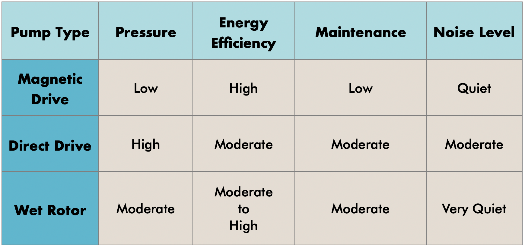
When selecting a pump, carefully consider the differences between magnetic drive, direct drive and wet rotor motors, as each type offers unique advantages that can enhance performance, efficiency and reliability based on the feature requirements.
Magnetic drive pumps utilize a sealed magnetic coupling to eliminate shaft seals, resulting in an oil-free motor, which is ideal for environments with aquatic life. Direct drive pumps, on the other hand, connect the motor shaft directly to the impeller, delivering the highest efficiency and power transfer, which is perfect for applications requiring strong pressure. Wet rotor pumps immerse the rotor in the pumped fluid for cooling and lubrication, resulting in quiet, low-maintenance operation.
Each type offers unique benefits in terms of pressure capability, energy efficiency, maintenance requirements and noise level. The following table provides a quick reference to help evaluate these characteristics.
Comparison Table: Common Pump Types for Pond and Water Feature Applications.
Calculate the Pump’s Performance Requirements
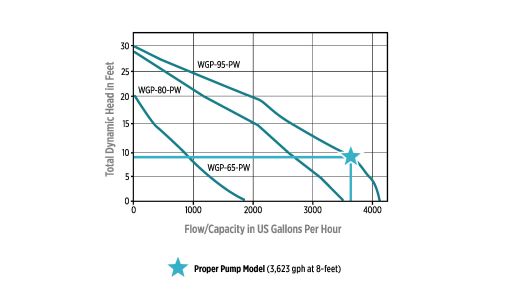
To ensure optimal pump performance and avoid common issues, take the time to perform accurate calculations for pump selection.
Start by determining the flow rate.
For ponds, select a pump that can circulate the entire volume of water once per hour, considering factors such as fish load, plant density and water clarity goals. For waterfalls, aim for approximately 100 gallons per hour for every inch of waterfall width to create a natural flow. Be sure to include both the pond and the waterfall water volume when calculating the total pump flow rate.
Next, calculate the Total Dynamic Head (TDH), which includes the vertical lift plus friction losses from pipes, fittings, valves and filters. Measure the highest point the water must reach in your application—this is the “total lift” required.
Finally, when selecting a pump, make sure the plumbing matches the pump’s discharge size. If it doesn’t, either choose a different pump or adjust the plumbing size. Avoid using adapters to reduce the connection size, as this can negatively impact pump performance and shorten its lifespan.
How to Size a Pump
Step 1: Flow Rate: Calculate how much water needs to be circulated
Length (12 ft) x Width (9 ft) x Depth (3 ft) x 7.48 = 2,423 gallons
Include waterfall: Width of stream (1 ft) x 1,200 GPH = 1,200 gallons
Take the total flow rate and add the waterfall calculation – 2,423 + 1,200 = 3,623
Step 2: TDH: Measure the maximum vertical height water needs to reach
The pump you choose should have a maximum head capacity that is equal to or greater than this number.
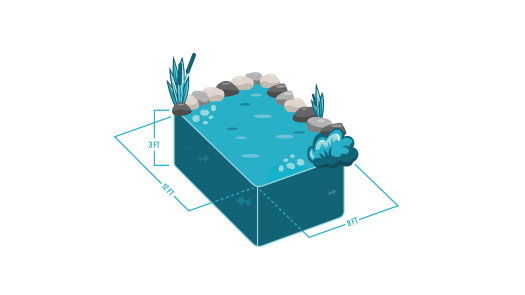
In this example, the pump is located at the base of the pond, which is 3 ft deep. The waterfall is 5 ft above ground, so the pump needs to move water up to an 8 ft vertical distance.
Step 3: Performance Curve: Reference the flow rate, 3,623 GPH, and TDH, 8 ft, on the curve to select the proper pump model. (See Proper Pump Model on page 36)
Common Pump Selection Mistakes to Avoid
Various issues can arise, so it’s important to be aware of common pitfalls. One frequent mistake is undersizing pumps for waterfalls, which results in weak flow and a broken water sheet that looks unnatural. Another common oversight is ignoring head height; when the pump reaches its curve limit, water features can starve and fail to perform as intended. Selecting the wrong pump type also causes problems—for example, using a low-pressure magnetic-drive pump for a tall cascade may not deliver the necessary performance. Additionally, failing to account for filtration components such as UV clarifiers, skimmers and biological filters adds friction losses that reduce overall efficiency.
In addition to avoiding common mistakes, selecting high-quality pumps can enhance reliability and customer satisfaction. Pumps with longer warranties often indicate better durability and manufacturer support, helping to prevent premature failures and reduce costly callbacks. Prioritizing quality ensures the water feature performs well and stands the test of time.
To streamline the pump selection process and ensure the best results for your water feature, follow this step-by-step workflow:
Decision Workflow (At a Glance)
1. Define the application (circulation, filtration support, display).
2. Calculate pond volume and turnover rate (baseline ~1×/hour)
3. Determine TDH (vertical lift + friction).
4. Match the flow at TDH to the manufacturer’s performance curve.
5. Prepare the installation site (alignment, flexible connections, vault or screening).
6. Test, commission and schedule maintenance.
Conclusion
Choosing the right pump for ponds and water features requires an approach that strikes a balance between technical accuracy and practical considerations. Success begins with understanding the purpose of the feature and selecting a pump type that aligns with your client’s performance goals. Accurate sizing, based on flow rate and total dynamic head, reduces operational issues and improves efficiency. By following a structured process and prioritizing quality, you can deliver water features that are visually stunning, environmentally balanced and built for long-term performance—providing clients with lasting satisfaction.
Need to know more about pumps: Check out this related articles.
About the Author:
During his eight years at Franklin Electric, Ron Maurice has played a key role in supporting two of its most recognized brands: Red Lion and Little Giant. As Product Manager, he has spent eight years guiding Red Lion’s pump solutions and five years overseeing Little Giant’s water garden division. Ron’s extensive product knowledge and commitment to quality help ensure customers receive dependable solutions for a wide range of applications.
Little Giant. Water Features & Pond Products Catalog, p. 3.

I have a 8 ft round 3 ft deep poly pond (above ground)
I have a 2700 gph pump Running to a 110 oval stock
tank as a bog filter, with layers of river rock, & pea gravel
the pump sits a ft above the bottom of the pond floor
in the middle of the pond, that should be a good flow
for air circulation & to keep stuff moved around or is it ?
Hi Gayle.
If you have a pond with only plants, then your pump is sufficient. However, you’ll want to consider a few adjustments to ensure proper air circulation and prevent heavy debris buildup.
Since your total system volume (pond plus the 110-gallon stock tank) is ~1,200 gal., your pump cycles the entire volume approx. 2 times every hour. (1X per hour is recommended).
Flow and Debris Movement:
The high flow rate helps push nutrients into the bog filter for strong filtration. However, because the pump sits 1 foot above the bottom, debris will settle underneath and around the edges without being pulled in. Creating a circular, vortex-like water movement will help keep debris suspended and improve pickup.
Aeration and Oxygenation:
Submerged pumps don’t add oxygen on their own. Oxygenation happens when returning water breaks the pond surface (e.g., waterfall, drop pipe, or spray bar).
Adjustments for Best Performance:
1. Lower or Move the Pump: Place the pump closer to the bottom, about 2–3 inches above the floor. You can set it on a flat brick or inside a pump box to keep it from clogging. This helps pull in the dirtiest water.
2. Angle the Return Water: Aim the clean water coming from the bog tank so it hits the pond surface at an angle along the edge. This creates a circular current that pushes debris toward the center where the pump can pick it up.
3. Check the Bog Filter Flow: A 2,700 GPH flow into a 110-gallon tank is very fast. If water enters from the bottom, it may disturb the gravel and flow straight through without filtering well. If you notice cloudy water or shifting gravel, consider adding a ball valve to reduce the flow to about 1,500 GPH.
The Little Giant Team