
This is an update of an earlier post.
5 Koi Pond Maintenance Tips Help Create the Perfect Habitat
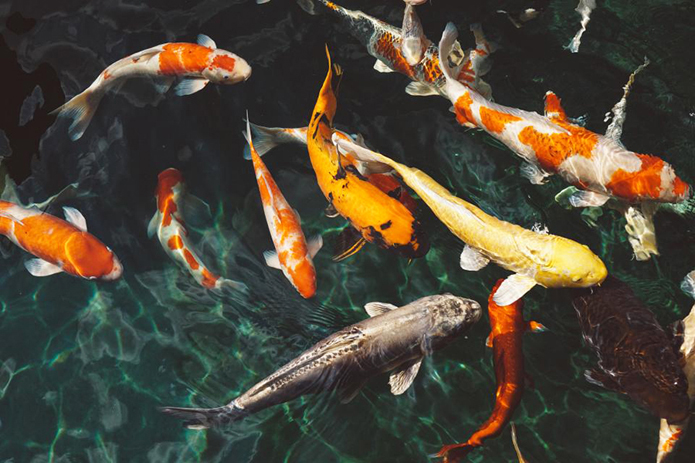
A koi fish can live for many years, especially in captivity. However, for them to grow and live a long life, their habitat must be optimal. Koi pond maintenance is essential to helping your fish thrive. Here are five tips to keep in mind:
Maintenance Tip #1: Freshen the Water
Due to evaporation, water in a koi pond gradually decreases, leaving behind minerals and other substances that may lower the quality of the water. Because of this, it is important to remove at least 10 to 15 percent of the pond water weekly and refill the pond with fresh water to the desired level. Since tap water is chemically treated to make it potable, you will need to add a dechlorinator to the water before you pour it into the pond.
Maintenance Tip #2: Backwash the Pond Filter
Generally, biological pond filters should be backwashed every two weeks. However, this can change depending on fish load and the surrounding conditions of the pond. You will know when the filter needs backwashing if the reading on its pressure gauge is much higher than usual. An increased volume of water coming from the outlet back into the pond is also a good indicator that the filter needs to be backwashed.

Maintenance Tip #3: Control Algae
During the filtration process, ammonia in the pond is transformed to nitrate, which is a harmless substance. However, algae utilize the nitrate to grow and thrive, often resulting in overpopulation. Excessive algae in a pond is not beneficial. Aside from being ugly, the algae deprive the koi of oxygen.
To account for uncontrolled algae growth, it is recommended to use algaecides. The frequency of administration differs depending on the type and brand of algaecide you buy, so you need to carefully read the labels and follow the instructions as stated.
Another method of controlling the algae population is to add ultraviolet, or UV lamps to a pond’s filtration system. The UV light coming from the lamp helps kill algae before they can grow and reproduce. To maximize efficiency, replace the bulbs in the UV lamps every year. Other
Maintenance Tip #4: Adjust Maintenance Tasks to the Season
Pond maintenance also differs by season. During fall and winter, when it is generally colder, some of the leaves on the aquatic plants in the water may change colors or fall off. To retain the efficiency of the filtration system and to avoid the collection of debris, it is important to cut or trim all dead and dying leaves before they fall into the pond. Also, during winter, the pond’s surface may freeze. To address this, a floating deicer should be used in a section of the pond. This allows for continued aeration of the water even during harsh snowy months.
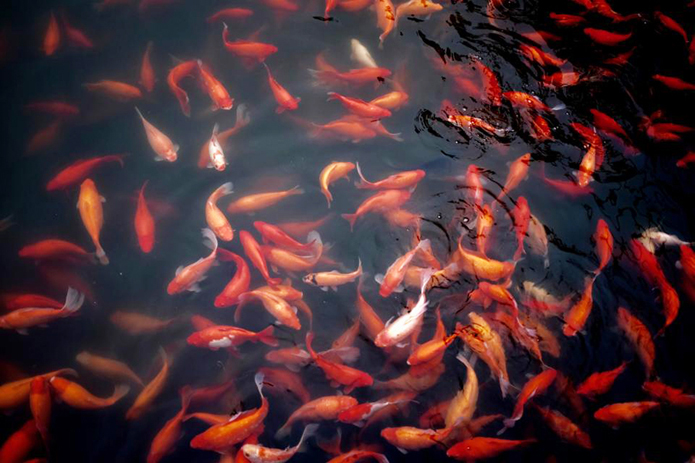
Spring and summer, on the other hand, are the optimal times for pond cleaning because there is usually a large buildup of debris after winter. The koi must be transferred first to clean buckets with fresh water so you can more easily clean out all the debris and thoroughly scrub the walls of the pond. You should also take this time to replace all the pond’s water with clean and dechlorinated water. If the weather is too hot, you can add an additional air pump to increase the oxygen content of the water to more comfortable levels.
Maintenance Tip #5: Watch for Pond Leaks
While the water level in a pond does decrease naturally due to evaporation, if the water seems to get low very quickly, there is likely a leak somewhere. It is normal for a koi pond to lose about 1/2 in. of water in a day, but any loss greater than that usually indicates that a leak is present. Repair the leaks immediately so you can stabilize the condition of the pond.
Proper and regular care of a koi pond is not difficult. You just need to follow a regular maintenance schedule to avoid bigger problems.

koi fish is easy to care if you only gave them good filtration, aeration and food and enough room to swim
I found it helpful when you said that you will need to refill your pond with fresh water after removing 10-15% water from it to maintain its quality. My brother will find this tip helpful because he is interested in finding a Koi seller before this month ends. He is interested in having a Koi pond installed, so it will be helpful for him to follow your tips.
My son just purchased a house and we just noticed that there is a Koi fish living in the small pond in the backyard along with a dozen or more frogs. He was not aware of this. The Koi fish is approximately 11 inches long and bright orange in color. The pond has a large amount of algae and I was wondering if I could use a garden rake to pull some of the algae out of the pond? After reading your tips I understand we’re going to have to buy some sort of filtration system, etc.…. I did purchase a bag of “pond food” labeled “premium diet for Koi and goldfish.” This house has been vacant for some time and this Koi is afraid when we go near the pond. Please advise. Any information to help this dear little fish live is appreciated. Also, are the frogs friend or foe to the Koi fish? TYIA
Hi there,
Thank you so much for reaching out and sharing this story — what a lucky discovery! It sounds like that little koi has been holding down the fort all on its own for quite a while, and it’s wonderful that your family is ready to step in and give it the care it deserves.
Yes, using a garden rake to gently remove excess string algae is a good first step, especially if the pond hasn’t had any maintenance for a while. Just be careful not to stir up too much debris at once, as that can throw off the water balance. If the pond has a heavy buildup, you may want to remove the algae in stages over a few days.
You’re absolutely right that a filtration system will help immensely. A simple pond filter and pump will improve water quality, oxygen levels, and the overall health of the fish and frogs. Adding beneficial bacteria (available at most garden centers or pond supply stores) can also help naturally break down sludge and reduce algae over time.
The koi’s shyness is totally normal — especially if it’s been alone and unaccustomed to people. With regular feeding and calm, consistent interaction, it will likely begin to trust you more. The pond food you purchased sounds appropriate — just feed small amounts and remove any uneaten food after a few minutes to avoid water quality issues.
As for the frogs — they’re more friend than foe! Frogs and koi commonly share pond space peacefully. As long as the pond isn’t overcrowded and the water quality is maintained, they can coexist without trouble.
You’re doing a great job already by asking questions and taking initiative. Keep us posted — we love hearing about backyard pond stories like yours!
Warmly,
The POND Trade Magazine Team